
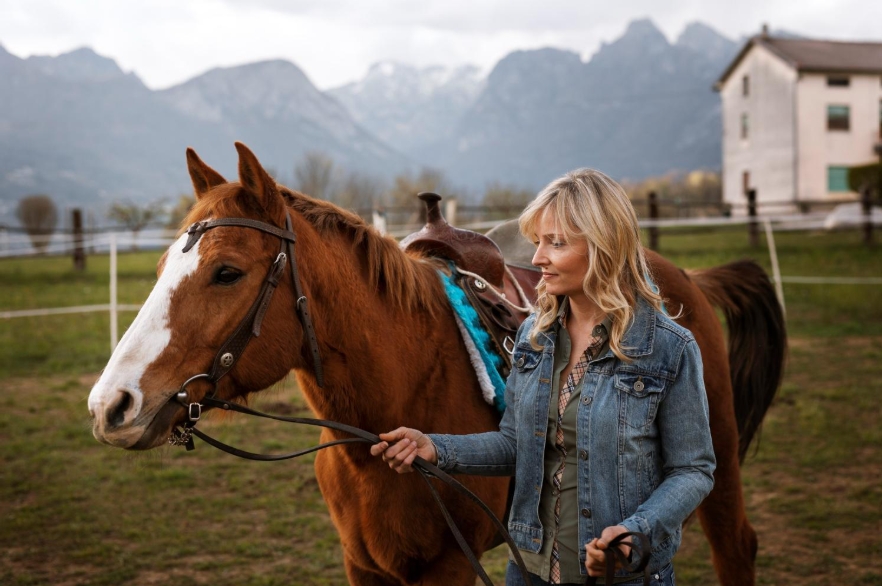
In recent years, horse riding holidays have quietly moved from the fringes of niche adventure travel into a more visible space within the broader movement toward experiential tourism. While they remain far from mainstream, their growing presence reflects a shift in how travelers evaluate meaningful experiences, particularly as they seek deeper engagement with landscapes, cultures and rural communities. Industry observers say the trend isn’t driven by novelty, but by an evolving philosophy around travel as participation rather than consumption.
Operators who arrange multi-day riding routes in regions from Patagonia to the Scottish Highlands report a steady increase in inquiries that began before the pandemic and resumed as borders reopened. The renewed interest suggests travelers are looking for activities that offer slow immersion and a sense of continuity with local traditions. The model is fundamentally different from conventional holiday packages; it relies on open terrain, working ranches, family-run farms, or protected natural corridors where horseback travel remains an authentic mode of movement.
Sustainability and the Appeal of Low-Impact Mobility
Several factors have contributed to the shift. Environmental sensitivity is one of them. According to analysis from the United Nations World Tourism Organization, traveler demand for nature-based and lower-impact tourism has grown steadily in the past decade as environmental awareness becomes a larger factor in trip planning. Their reporting notes that travelers increasingly equate slower, land-connected travel with responsible tourism practices, even when such perceptions may oversimplify the actual ecological footprint.
Horseback expeditions benefit from this cultural shift. While no form of adventure travel is impact-free, human–horse mobility tends to distribute wear across broad areas rather than concentrating stress on narrow trail sections, especially compared with motorized excursions. For many travelers, that perceived balance between access and stewardship is a significant part of the appeal.
Demographic Shifts and New Forms of Storytelling
The shift is also generational. Older travelers often recall riding as a childhood activity and see these holidays as a return to something familiar. Younger travelers, however, tend to approach riding from a different angle. Many of them have no equestrian background, but are drawn to the idea of learning a skill within a cultural context. They are also influenced by digital storytelling; long-form travel blogs, documentary-style social videos and professional photography have reshaped the public image of these trips. What was once perceived as an activity for skilled riders is now understood as accessible, provided that itineraries match ability levels.
Industry data continues to be limited because horse riding holidays are dispersed across small independent operators and regional tourism boards. But qualitative indicators offer insight. Guides in rural Australia, for example, report that post-pandemic riders are more likely to request trips with cultural or historical framing, not just scenic routes. In parts of Europe, stables that once catered primarily to experienced equestrians now host first-time riders undertaking multi-day treks. And in South America, gaucho- or estancia-based riding routes have seen increased interest from travelers seeking interaction with working horse cultures.
Coordinators, Local Guides and Evolving Infrastructure
Companies that specialize in organizing or curating these journeys have adapted accordingly. Some, like Globetrotting, have helped draw attention to emerging routes by working alongside local guides who maintain the equestrian traditions of the regions they operate in. Their role is less about marketing and more about coordination: matching routes to rider ability, establishing safety protocols and helping standardize expectations for travelers who may be unfamiliar with long-distance riding conditions.
Despite the momentum, the sector faces challenges that researchers and operators are beginning to examine more closely. One is climate volatility. Drought, heat waves and shifting seasonal patterns can alter trail conditions or limit the suitability of certain routes. Ranchers and guides in southern Europe, for instance, have had to adapt by shifting ride schedules to cooler months or adjusting daily distances. Insurance and liability frameworks also vary significantly by country, complicating cross-border coordination and making it difficult to establish universal standards.
Animal Welfare: Preparedness and the Need for Standards
Animal welfare remains another point of scrutiny. As horseback travel becomes more visible, so does public concern over the treatment of horses. Professional associations have responded by emphasizing training standards, veterinary oversight and guidelines for daily workload. But because the industry is decentralized, consistent enforcement remains a challenge. Several academic studies on adventure tourism note that traveler awareness is uneven; many riders do not fully understand the physical demands placed on horses during multi-day expeditions or the preparation required to ensure their well-being.
Rider preparedness is an issue as well. The increased interest from first-time or inexperienced riders has forced operators to rethink briefing procedures and training sessions. While most companies require some level of pre-trip assessment, guides say that expectations and reality often diverge, particularly when travelers underestimate the physicality of spending hours in the saddle. This has led to discussions around standardizing pre-trip fitness guidelines or encouraging short introductory rides before committing to longer itineraries.
A Mode of Travel Rooted in Heritage
Yet, for all the logistical considerations, the appeal of horse riding holidays continues to grow because travelers increasingly value continuity, movement through a landscape at the pace of the land itself. Unlike many adventure activities that emphasize speed, adrenaline or rapid change, horseback travel is defined by rhythm. It is slow enough to observe ecological shifts and human settlements, yet dynamic enough to feel purposeful.
Cultural stories also anchor the experience. Riding traditions intersect with local histories: Mongolian herding routes, Andean pack trails, Irish cob farming villages, or American ranchlands shaped by cattle drives. These narratives help contextualize the journey and provide a sense of connection to long-standing human–animal relationships. For some travelers, that relationship becomes the focal point of the trip, giving them insight into working partnerships that predate modern tourism by centuries.
Looking Ahead
As experiential travel continues to evolve, horse riding holidays occupy a unique space, neither mainstream nor obscure, grounded in both heritage and outdoor exploration. Whether they continue to expand will depend on how operators, local communities and travelers navigate questions of sustainability, safety and animal welfare. But the renewed interest indicates that many travelers are not simply seeking destinations; they are seeking modes of movement that shape how a place is understood.
Media Contact
Company Name: UNWTO
Email: Send Email
Country: Spain
Website: unwto.org