
The modern disposable diaper is a relatively recent invention, yet its development has dramatically transformed childcare practices around the world. Before disposables existed, caregivers relied on cloth diapers—simple rectangles of cotton or flannel fastened with pins and covered with wool or rubber pants. While reusable and durable, cloth diapers were labor-intensive: they needed frequent washing, sanitizing, and drying, and were often uncomfortable for babies.
The idea of the disposable diaper first emerged in the early 20th century. During the 1940s, shortages of cotton and other materials during World War II encouraged innovation. In Sweden, paper shortage solutions inspired researchers to explore absorbent cellulose fibers; by the mid-1940s, Swedish manufacturers produced the first commercially available disposable diapers made with tissue-like wadding. These early versions were bulky, expensive, and held in place with plastic pants, but they introduced a new concept: convenience.
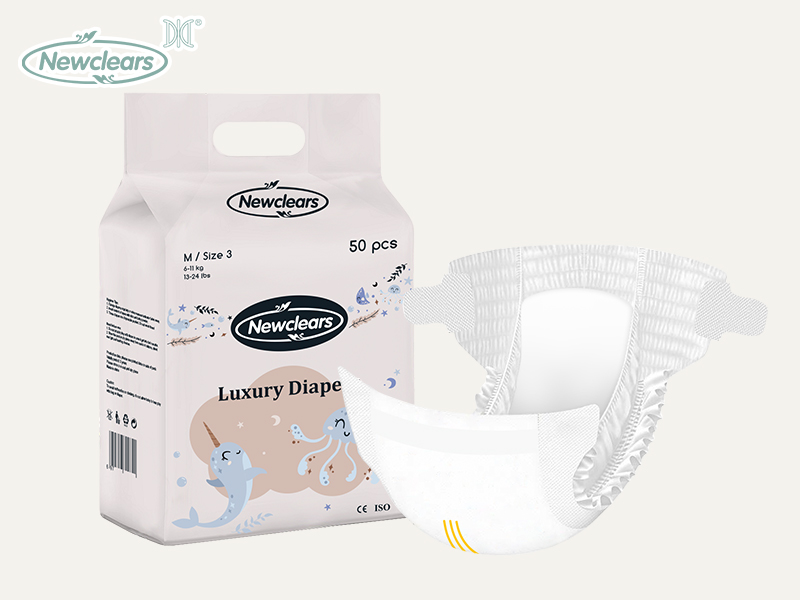
The breakthrough in the United States came with Marion Donovan, an American mother who sought a more practical alternative to cloth. In 1946, Donovan invented the “Boater,” a waterproof diaper cover made from surplus nylon parachute cloth. Encouraged by its success, she later created a fully disposable diaper using absorbent paper. Although major companies initially dismissed her idea, she eventually sold her patents, paving the way for commercial adoption.
In 1961, Procter & Gamble revolutionized the market with the launch of Pampers. Unlike earlier disposable diapers, Pampers were mass-produced, relatively affordable, and used improved materials for better absorption. Their design eliminated the need for diaper pins, relying instead on tape fasteners, which significantly simplified diaper changes. During the 1970s and 1980s, technological advances continued: the introduction of superabsorbent polymers (SAP) dramatically improved absorbency while reducing bulk, and the addition of elastic leg gathers reduced leaks.
Environmental concerns began to rise in the late 20th century, prompting manufacturers to explore more sustainable production methods. Companies reduced the amount of plastic used, incorporated biodegradable components, and optimized manufacturing efficiency. More recently, eco-friendly diaper brands have introduced plant-based materials, chlorine-free processing, and compostable designs. Although concerns about waste persist, improved performance and convenience keep disposable diapers widely used.
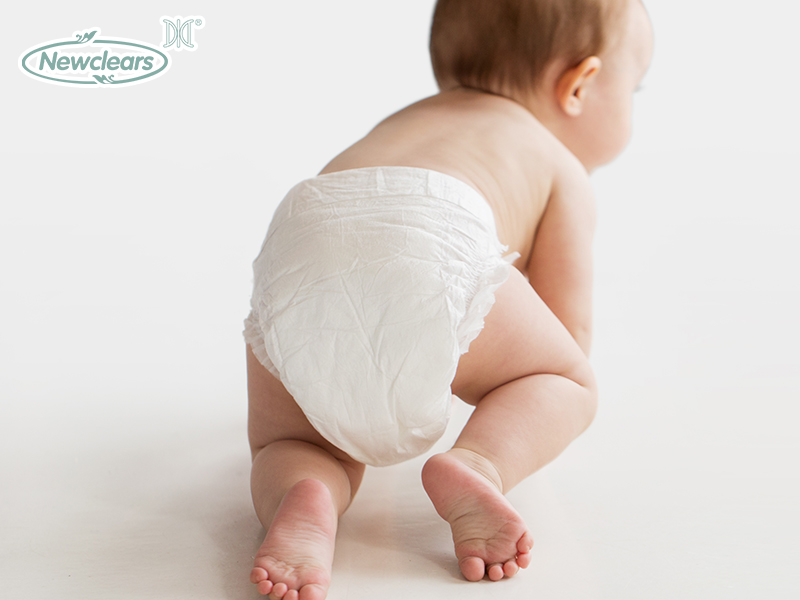
Today’s disposable diapers bear little resemblance to their early counterparts. They are thinner, more flexible, better fitting, and far more absorbent. Features such as wetness indicators, stretchable waistbands, and hypoallergenic liners reflect decades of innovation driven by comfort, hygiene, and convenience.
From wartime necessity to everyday essential, the disposable diaper has evolved through continuous technological and design improvements. Its history illustrates how a simple idea—making childcare easier—can lead to global transformation.
Newclears is specialized in manufacturing and selling disposable diapers for babies and adults. Any inquiry for Newclears products, please feel free to contact us at WhatsApp/Wechat/Skype/Tel: +86 1735 0035 603 or mail: sales@newclears.com.
Media Contact
Company Name: Xiamen Newclears Daily Products Co., Ltd.
Email: Send Email
Country: China
Website: https://www.newclears.com/