

Cruelty.farm today issues a comprehensive statement calling for the immediate depoliticization of environmental protection, animal rights, and vegan advocacy. These issues—rooted in compassion, scientific consensus, and universal ethics—have increasingly been absorbed into the identity, branding, and cultural territory of specific political groups, particularly left-leaning parties and organizations in many regions of the world.
This political monopolization has created a false and damaging impression: that caring about animals, adopting a plant-based diet, or fighting climate collapse is inherently “leftist,” “progressive,” or part of a specific ideological lifestyle. Such framing has led to harmful polarization, reduced public participation, and the widening of a cultural divide that places the future of our planet and the lives of animals at unnecessary moral risk.
Environmental justice and compassion toward non-human beings are not ideological luxuries—they are foundational human responsibilities.
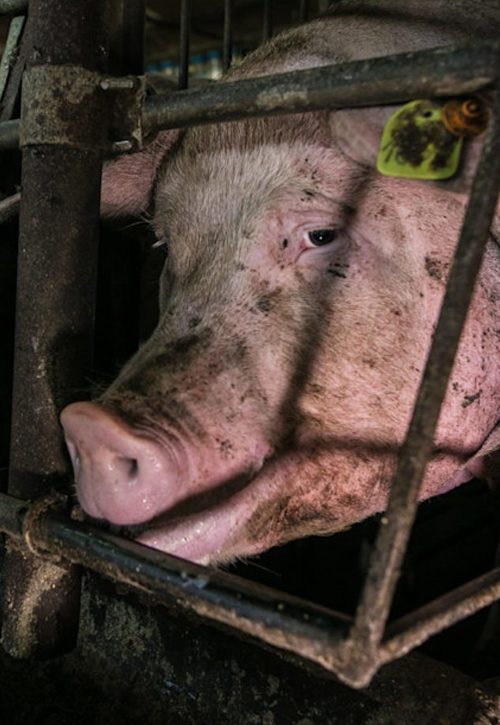
A Global Misconception with Serious Consequences
In recent decades, environmentalism, vegan identity, and the struggle for animal rights have been narrated and marketed primarily through a political lens. Mainstream and social media often portray:
- veganism as a left-wing lifestyle,
- animal rights activism as a progressive movement linked to broader social justice philosophies,
- environmental concerns as partisan debates rather than scientific facts.
This cultural framing has obscured the universal truth: The right of animals to live free from suffering, and humanity’s obligation to protect the environment, belong to all people—regardless of political affiliation, religion, or socioeconomic background.
Turning compassion into an ideological badge harms both the cause and the beings it aims to protect.
How Political Monopolization Harms Animals, the Planet, and Society
Cruelty.farm identifies four major harms caused by the political capturing of animal and environmental ethics:
1. Backlash and Reactive Opposition
When advocacy becomes associated with a specific political group:
- opposing groups reject it automatically,
- individuals avoid participation to preserve their identity,
- scientific recommendations are dismissed as ideological mandates.
This leads to entrenched resistance not because people disagree with the underlying ethics, but because they feel politically attacked or culturally alienated.
2. Exclusion of Millions of Potential Allies
People with conservative, centrist, libertarian, religious, or apolitical identities often feel unwelcome—or even actively pushed out—of animal rights and environmental movements dominated by left-wing cultural narratives.
This exclusion:
- narrows the movement’s demographic reach,
- weakens its legitimacy,
- and forfeits the possibility of global, unified progress.
There is no ethical justification for denying any person, from any political background, the dignity of fighting for animals or choosing a cruelty-free lifestyle.
3. Ethical Causes Become Instruments of Political Power
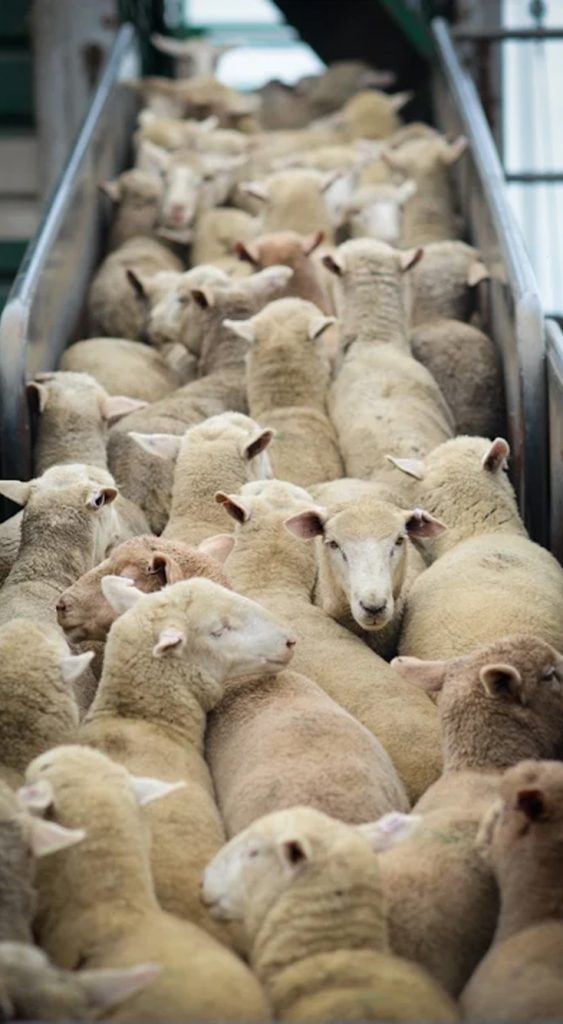
When political organizations use animals and environmental issues as tools for branding, recruitment, or ideological signalling, the focus moves away from:
- animal suffering,
- ecological healing,
- and scientific truth.
Instead, attention shifts toward electoral positioning, internal cultural battles, and symbolic gestures. Meanwhile, factory farming expands, ecosystems collapse, and animal cruelty persists.
4. Contradiction Between Left-Wing Environmental Claims and Real-World Governance
While many left-leaning parties present themselves as champions of the environment or defenders of oppressed beings, the historical record shows a sharp contrast between rhetoric and reality:
- large-scale industrial agriculture in socialist and communist systems,
- environmental destruction under state-run industrialization,
- continued support for meat, dairy, and fishing industries by left-wing governments in Europe and the Americas,
- refusal to integrate animal sentience into meaningful national policies.
This historical inconsistency reveals a core truth: ethical responsibility cannot be delegated to political affiliation. Governments—left, right, or centrist—have repeatedly failed non-human animals.
Environmental and Animal Protection Are Universally Human Responsibilities
Whether one identifies as left, right, conservative, socialist, liberal, religious, secular, nationalist, or apolitical does not change the ethical equation:
- A fish gasping for air in a net does not care about ideology.
- A calf separated from its mother does not understand political theory.
- A forest burned for cattle pasture is not a partisan issue.
- A planet approaching irreversible climate damage will not stop to ask how we vote.
Compassion, responsibility, and scientific truth belong to everyone. Relying on one political group to champion these causes has proven ineffective and ethically hazardous.
Why Depoliticization Is Necessary Now

Cruelty.farm calls for a fundamental shift: Environmental and animal rights advocacy must evolve into a post-partisan ethical movement rooted in universal human values.
This requires:
- removing ideological branding from veganism and environmentalism,
- creating inclusive language accessible to all communities,
- acknowledging and correcting historical monopolization by political groups,
- building coalitions across political, cultural, and religious divides,
- focusing on compassion, health, ecological survival, and scientific evidence rather than identity narratives.
Toward a New Model: A Non-Ideological Compassion Movement
Cruelty.farm proposes a framework based on three pillars:
1. Ethical Universalism
Animal suffering is an ethical concern shared by all humans. No ideology owns compassion.
2. Scientific Integrity
Public health benefits of plant-based diets, the ecological impacts of animal agriculture, and peer-reviewed environmental data must be presented without partisan framing.
3. Social Inclusion
Movements must welcome:
- conservatives who value stewardship of creation,
- liberals who emphasize justice,
- libertarians who oppose institutional cruelty,
- centrists who seek pragmatic sustainability,
- religious individuals motivated by compassion and mercy,
- and anyone choosing kindness over harm.
A truly global movement cannot be built on exclusion.
Cruelty.farm urges organizations, activists, policymakers, educators, media platforms, and individuals worldwide to:
- stop framing environmental and animal protection as partisan issues,
- end cultural gatekeeping inside advocacy communities,
- allow individuals of all political backgrounds to defend animals without judgement,
- refocus on saving lives, protecting ecosystems, and promoting health,
- and amplify voices that champion compassion beyond ideology.
The future of this planet—and the fate of billions of non-human beings—depends on our ability to rise above political identity and unite around fundamental moral truths.
Environmental protection and animal rights are not ideological talking points. They are urgent moral imperatives. The planet we share, and the animals whose lives are affected by our choices, cannot afford the cost of political tribalism.
Cruelty.farm reaffirms its commitment to building a movement that is:
- ethically grounded,
- scientifically informed,
- non-ideological,
- globally inclusive,
- and uncompromising in its defense of animal life.
Compassion is not a political identity. It is the shared responsibility of humankind.
Media Contact
Company Name: Humane Foundation
Contact Person: A. Roghani
Email: Send Email
Address:27 Old Gloucester Street
City: London
State: England
Country: United Kingdom
Website: https://cruelty.farm/