
Selecting Pipeline Floats might seem like a straightforward task, but in real-world projects, it directly affects system stability, maintenance frequency, and overall cost control.
For engineering contractors and project managers, the challenge is not just choosing a float—it’s choosing the right configuration that keeps the pipeline stable under real operating conditions. A well-matched float system can significantly improve performance, while a poor choice often leads to constant adjustments and unnecessary downtime.
So, how do you make the right decision?
Understand Your Pipeline Specifications First
Before looking at float options, start with the basics of your pipeline.
Key parameters to define:
- Pipe diameter
- Wall thickness
- Weight per meter
- Total pipeline length
These factors determine how much support the pipeline needs. Larger or heavier pipelines require more buoyancy to remain stable.
Evaluate the Material Being Transported
The weight inside the pipeline plays a major role in float selection.
In many projects, the transported mixture is heavier than water, which increases the overall load on the system.
You should consider:
- Material density
- Flow concentration
- Operating conditions
Higher internal load means more buoyancy is required to keep the pipeline properly elevated.
Calculate Required Buoyancy
Rather than relying on experience alone, it’s important to calculate buoyancy based on actual data.
A practical approach:
- Determine total load per meter (pipe + internal material)
- Apply a safety factor (typically 1.2–1.5)
- Match the result with the buoyancy provided by each float
This ensures the pipeline remains stable without excessive float usage.
Determine Float Spacing
Float spacing is just as important as buoyancy.
Typical spacing in real projects:
- 1 float every 2–5 meters
However, spacing should be adjusted based on:
- Pipeline weight
- Environmental conditions
- Required stability
Closer spacing improves stability, especially in challenging conditions.
Consider Environmental Conditions
Water conditions have a direct impact on pipeline behavior.
Important factors include:
- Currents
- Wave activity
- Water depth variations
In areas with strong movement, higher float density helps maintain alignment and reduces stress on the pipeline.
Choose a Practical Installation Method
Installation efficiency is often overlooked during selection.
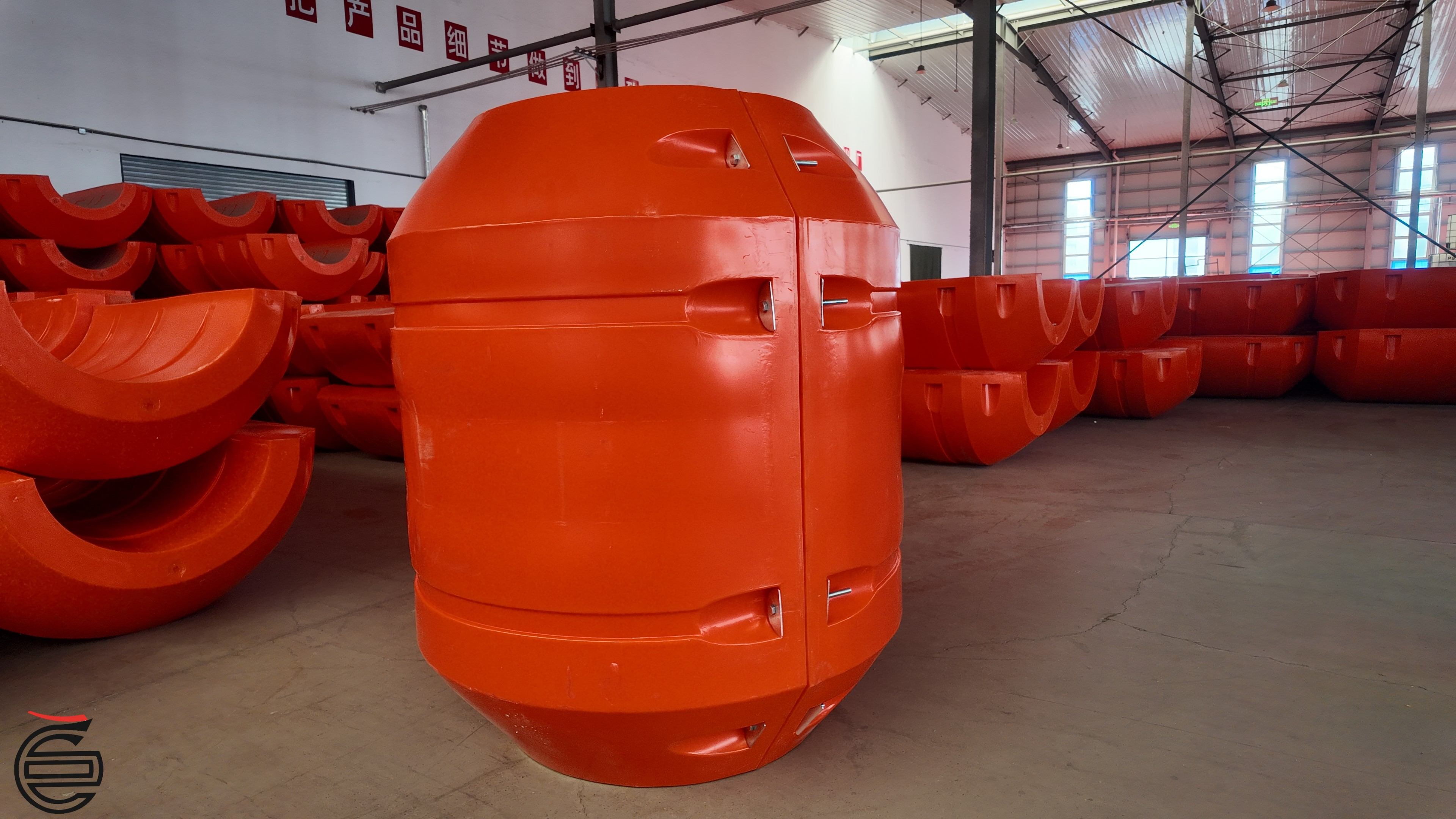
Modern pipeline floats typically feature:
- Clamp-on or bolt-on structures
- No welding required
- Quick assembly using standard tools
Projects using these systems often reduce installation time by 20–35%, improving overall efficiency.
Focus on Durability and Long-Term Performance
Pipeline floats are exposed to continuous movement and external forces. Durability plays a key role in long-term performance.
Look for:
- Resistance to impact during handling
- Stability under continuous load
- Reliable performance over extended periods
A durable float system reduces replacement frequency and keeps maintenance predictable.
Real Project Insight: Improving Float Selection
In a recent pipeline project, a contractor initially selected floats based on standard recommendations.
During operation, they noticed:
- Minor sagging between float sections
- Increased stress at connection points
Instead of replacing the entire system, they adjusted:
- Float spacing in high-load areas
- Buoyancy distribution along the pipeline
After optimization:
- Pipeline alignment improved
- Maintenance needs decreased
- Overall operation became more stable
This shows that proper selection is not just about initial sizing—it also involves practical adjustments.
Avoid Common Selection Mistakes
Many issues can be traced back to early-stage decisions.
Common mistakes include:
- Choosing floats based only on cost
- Ignoring internal material weight
- Using uniform spacing in all conditions
- Underestimating environmental impact
Avoiding these mistakes helps prevent long-term performance issues.
Balancing Cost and Performance
Every project has budget constraints, but focusing only on initial cost can lead to higher expenses later.
A well-designed float system helps:
- Reduce pipeline wear
- Lower maintenance frequency
- Maintain stable operation
Over time, this leads to better cost control and fewer unexpected interruptions.
When Custom Solutions Are Needed
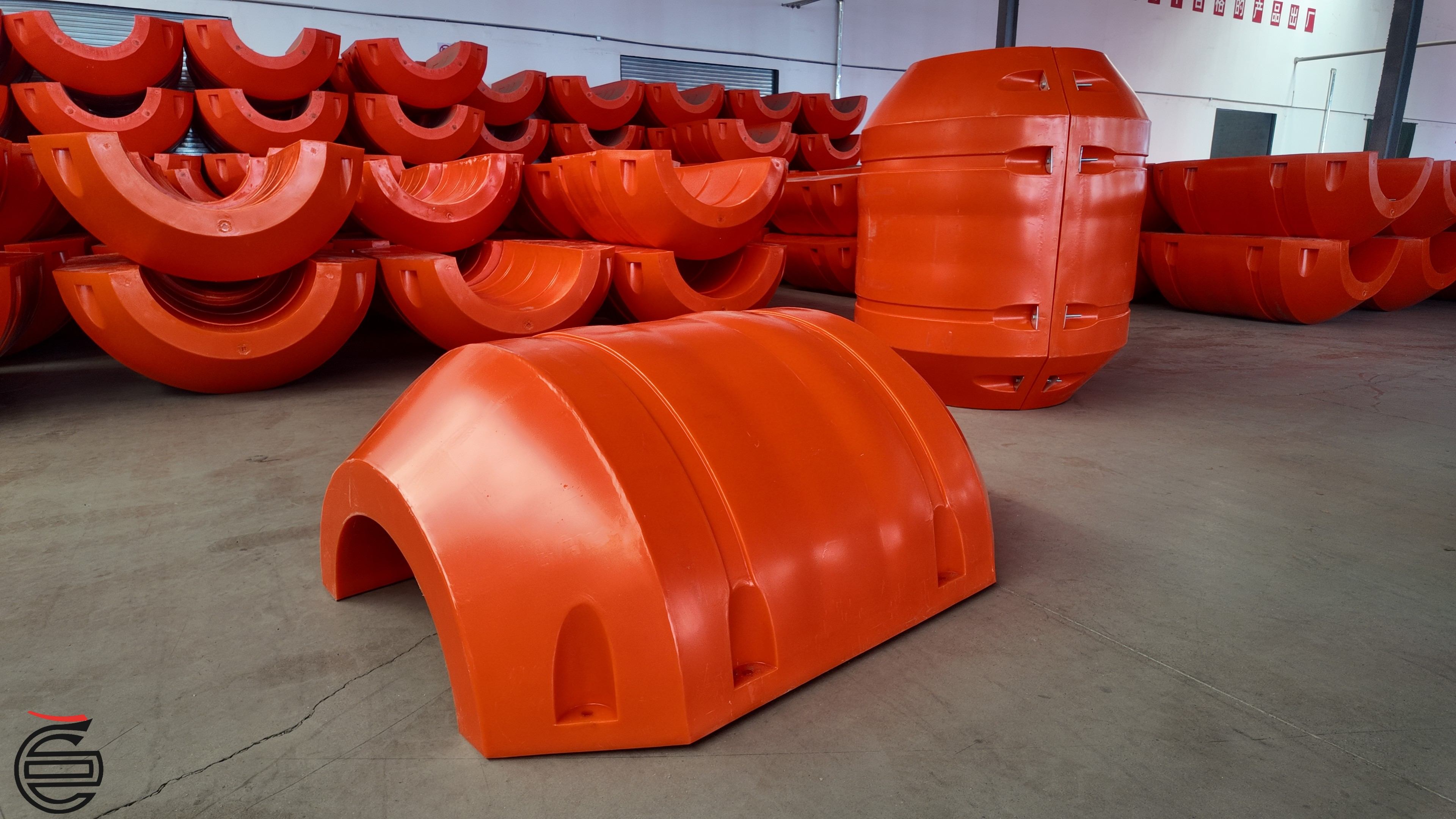
Standard configurations work for many applications, but some projects require tailored solutions.
Customization is often necessary for:
- Large-diameter pipelines
- High-load transport systems
- Long-distance operations
- Complex environmental conditions
In these cases, adjusting float size, spacing, and buoyancy ensures better performance.
Practical Selection Checklist
Before finalizing your choice, review these points:
- Have you calculated total load accurately?
- Is buoyancy matched to operating conditions?
- Is float spacing optimized for stability?
- Are environmental factors fully considered?
- Is the installation method efficient?
This checklist helps reduce risks and improves decision-making.
Choosing the right pipeline floats is a critical step in building a stable and efficient Floating Pipeline System. By focusing on pipeline specifications, internal load, buoyancy requirements, and environmental conditions, contractors can avoid common issues and ensure reliable performance.
In practice, the best results come from combining calculation with real-world adjustment. A properly selected float system not only improves stability but also reduces maintenance and keeps operations running smoothly over time.
Media Contact
Company Name: Shandong Binzhou Giant Rubber Rubber & Plastic Co., Ltd.
Email: Send Email
Country: China
Website: https://www.pefloaters.com/