
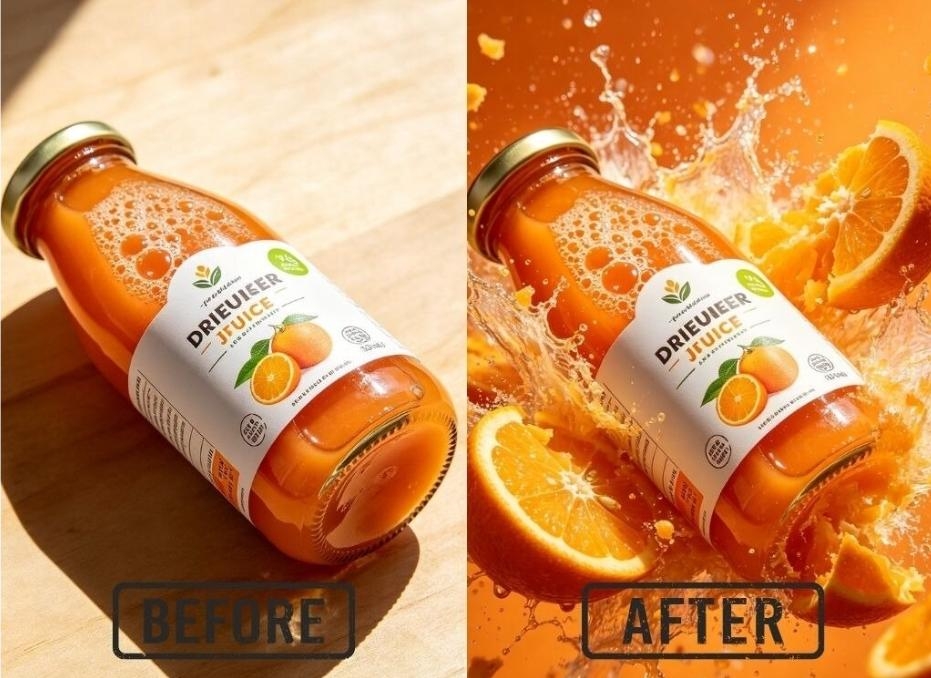
Marketing teams face a constant battle against time. They need to produce more content than ever before to stay relevant. Traditional photography and design methods often move too slowly for the fast pace of social media. This is why many companies are changing how they work.
Designers are now using an AI photo editor to handle the heavy lifting of image manipulation. These tools allow them to remove backgrounds, adjust lighting, and fix small errors in a fraction of the time it used to take. By automating these repetitive tasks, creative professionals can spend more time on the strategy behind the campaign.
Another way brands are speeding up their work is by using a Free Image to Image Generator to create new visuals from existing ones. This technology takes a base image and applies new styles or elements to it. It allows a brand to take one successful photo and turn it into dozens of different versions for various platforms.
Use Case 1: Rapid Social Media Content Scaling
Social media managers often need to post several times a day to keep their audience engaged. Creating a unique image for every single post is a massive task. A fashion brand might have one great photo from a studio shoot, but they need it to look different for Instagram, Pinterest, and Facebook.
In this scenario, the brand uses artificial intelligence to change the background or the mood of the original photo. They can take a model wearing a summer dress in a studio and place her on a beach or a city street. This happens without the need for a second photoshoot. It allows the team to create a month of content in a single afternoon.
The benefit here is consistency. The brand can maintain its visual identity while providing variety to its followers. They don't have to worry about the high costs of travel or location scouting. The software handles the environment, and the designer simply picks the best results.
Use Case 2: E-commerce Product Localization
Global brands sell products in many different countries. A kitchen appliance that looks perfect in a modern New York apartment might feel out of place in a traditional home in Tokyo. Localizing these images is essential for building trust with local customers.
Instead of shipping products around the world for local shoots, brands use AI to swap out the background elements. They can change the furniture, the lighting, and even the small decorative items in the scene to match local tastes. This makes the product feel like it belongs in the customer's home.
This approach saves a huge amount of money on logistics. It also allows brands to launch products in new markets much faster. They can have a full set of localized marketing images ready before the product even hits the shelves in that region.
Use Case 3: Personalized Email Marketing Assets
Email marketing works best when the visuals feel personal to the reader. If a customer recently looked at hiking boots, showing them a generic mountain scene is okay. Showing them those same boots in a forest that looks like their local national park is much better.
Brands are now using AI to generate these personalized visuals at scale. They can create thousands of variations of an image based on customer data. If the weather is raining in the customer's city, the AI can add a rain effect to the promotional image. This level of detail makes the email feel more relevant and increases the chance of a sale.
The speed of AI allows these changes to happen in real time. The marketing team sets the rules, and the software generates the specific image the moment the email is sent. This was impossible to do manually just a few years ago.
Benefits per Scenario
Every brand has different goals, but the benefits of using these tools usually fall into three main categories. These categories help teams justify the switch from old methods to new ones.
Efficiency and Speed
The most obvious benefit is how much time is saved. A task that used to take a designer four hours can now be done in five minutes. This speed allows brands to react to trends as they happen. If a new meme or news story goes viral, a brand can create a relevant visual and post it while the topic is still hot.
Cost Reduction
Professional photography is expensive. You have to pay for photographers, models, stylists, and studio space. While AI does not replace the need for high quality original photos, it reduces the number of shoots needed. One good session can provide the raw material for hundreds of AI generated variations.
Creative Freedom
When the cost of making a mistake is low, designers feel more comfortable taking risks. They can try out bold colors or unusual layouts because they know they can change them instantly. This leads to more creative campaigns that stand out from the competition.
Practical Workflow for AI Design
To get the most out of these tools, brands follow a specific workflow. This ensures the final images are high quality and match the brand voice.
1. Concept and Mood Boarding: The team starts with a clear idea of what they want to achieve. They gather reference images and define the color palette.
2. Base Image Selection: They choose a high quality original photo or a rough sketch to act as the foundation for the AI tool.
3. Prompting and Generation: The designer enters specific instructions into the software. They describe the lighting, the setting, and the overall feel they want to create.
4. Refinement: The AI provides several options. The designer selects the best one and uses editing tools to fix any small details that aren't quite right.
5. Final Polishing: The image is run through a final check to ensure the resolution is high enough for the intended platform.
Comparison of Design Methods
The details below compare the traditional design process with the modern AI-assisted design process.
-
Creation Time: In the traditional design process, creation time can take several days. In contrast, AI-powered design can produce results in a few minutes.
-
Resource Needs: Traditional design often requires large teams and gear. AI-powered design can be handled by one designer and software.
-
Cost Per Asset: The cost per asset is usually very high in the traditional design process. With AI-powered design, the cost per asset is very low.
-
Ability to Pivot: Making changes in the traditional design process is difficult and slow. AI-powered design makes it instant and easy to pivot when needed.
-
Scalability: Traditional design is limited by human hours. AI-powered design offers virtually unlimited scalability.
Overcoming Creative Blocks
One of the biggest challenges for any creative team is the blank canvas. Starting from nothing is hard. AI tools help by providing a starting point. A designer can generate five different concepts in seconds and then use those as inspiration for a final piece.
This doesn't mean the AI is doing the thinking. The designer still has to make the final choices. They decide which colors work and which compositions will grab the audience's attention. The tool acts as a highly skilled assistant that never gets tired.
Maintaining Brand Integrity
A common worry is that AI images will look generic or off-brand. To prevent this, brands create specific style guides for their AI tools. They use consistent prompts and upload their own brand assets to train the software on their specific look.
By doing this, the output remains unique to the company. It doesn't look like a stock photo because it is built on the brand's own visual DNA. This allows for speed without sacrificing the personality that makes the brand special.
Conclusion
Using artificial intelligence in campaign design is no longer a luxury for big tech companies. It is a practical choice for any brand that wants to stay competitive. These tools allow teams to work faster, lower their costs, and experiment with new ideas.
By integrating these workflows, designers can move away from boring, repetitive tasks. They can focus on the big ideas that actually move the needle for the business. The future of design is not about replacing humans, but about giving them better tools to do their jobs. You'll find that the more you use these tools, the more creative your campaigns will become. Don't wait for the competition to move first. Start exploring how these tools can fit into your design process today.
Media Contact
Company Name: EzCreate
Email: Send Email
Country: China
Website: https://ezcreate.ai/