
ZHEJIANG, China - August 28, 2026 - As photovoltaic projects grow in voltage, scale, and installation complexity, solar buyers are evaluating more than module output and initial equipment cost. Residential rooftops, commercial facilities, industrial plants, solar carports, and distributed energy projects all require a clear DC-side safety strategy. That strategy must account for live photovoltaic voltage, emergency access, outdoor exposure, maintenance conditions, applicable requirements, and coordination with the broader electrical system.
SINGI is a manufacturer of Rapid Shutdown Devices for photovoltaic systems, designed to isolate DC power quickly and support safer solar installations.
A Rapid Shutdown Device serves a distinct purpose in photovoltaic safety planning. Solar modules continue generating DC electricity whenever they are exposed to sunlight, meaning that disconnecting AC power does not necessarily remove voltage from DC conductors between the PV array and the inverter. During a fire emergency, grid interruption, maintenance event, or abnormal operating condition, a dedicated solar rapid shutdown device can help isolate the DC circuit and reduce exposure to live power.
SINGI develops low-voltage electrical products and photovoltaic protection solutions for customers seeking application-based component selection. The SINGI Rapid Shutdown Device portfolio is designed for buyers who need a practical option for PV DC isolation, particularly in high-voltage solar systems where safety performance, environmental durability, and installation efficiency must be considered together.
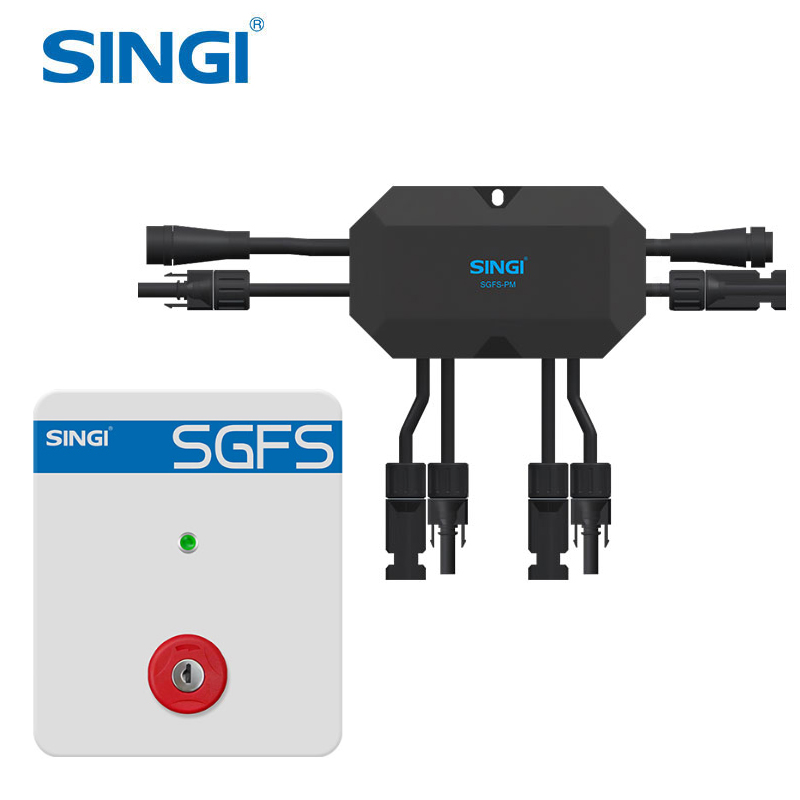
The SINGI SGFS-PS Photovoltaic Firefighter Safety Switch is designed for rapid DC isolation in photovoltaic power systems. With support for systems up to 1500Vdc, a maximum circuit current of 40A per string, an IP65 enclosure, and automatic over-temperature disconnection, the SINGI Rapid Shutdown Device gives solar project teams a defined component-level option for strengthening DC safety planning.
SINGI Rapid Shutdown Devices Address a Critical DC-Side Safety Need
Photovoltaic systems include modules, strings, inverters, cables, protective devices, distribution equipment, and monitoring components. Every element has a role, but DC-side safety requires specific attention because the PV array can remain energized after the building’s AC supply has been disconnected.
The SINGI Rapid Shutdown Device is engineered to support the rapid isolation of PV DC circuits under defined conditions. In the SGFS-PS configuration, the device can respond to AC grid loss and internal over-temperature conditions, helping disconnect photovoltaic DC power when the system requires a safety-oriented response.
This function is particularly relevant for rooftops and other installations where first responders, maintenance personnel, or site operators may need to access areas near energized solar equipment. For projects assessed against applicable NEC 690.12 rapid shutdown requirements or comparable local safety expectations, a dedicated photovoltaic rapid shutdown switch can form an important part of the overall project design.
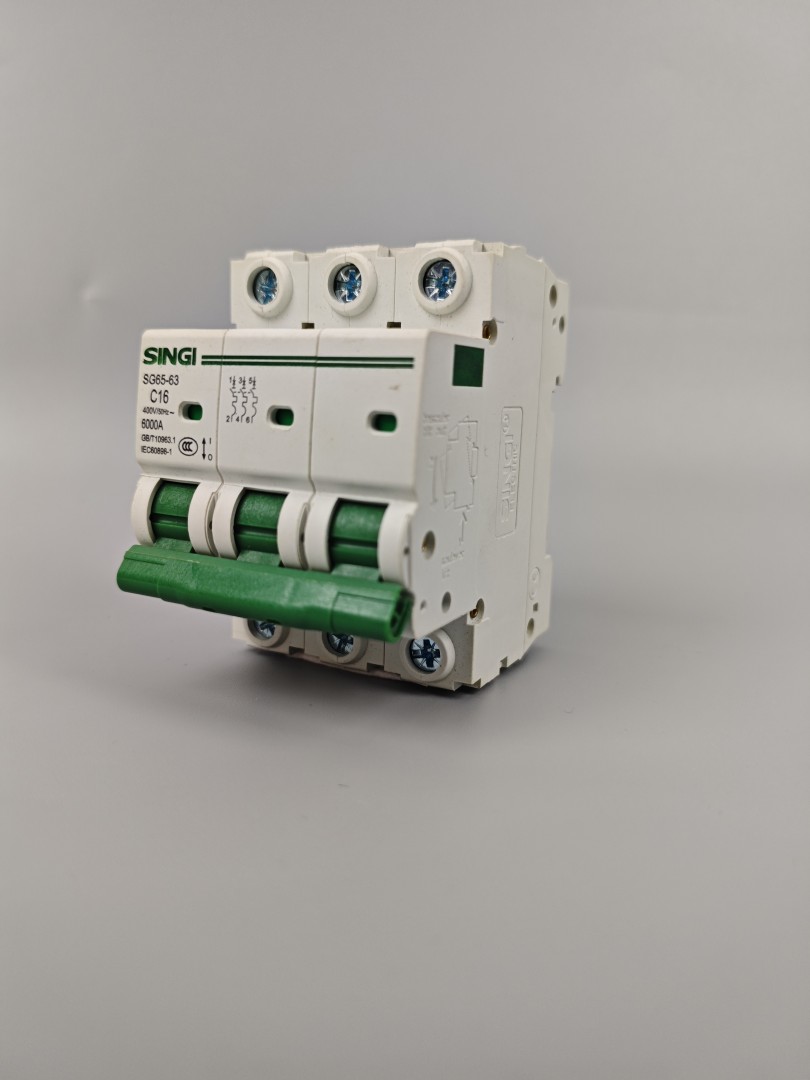
A standard circuit protection component should not be assumed to provide the same emergency shutdown function. Different devices manage different risks. A Miniature Circuit Breaker supports circuit protection and switching within its rated application. A Moulded Case Circuit Breaker is typically selected for higher-current protection requirements. An RCBO can combine residual-current and overcurrent protection in appropriate circuits. These products remain important within an electrical system, but they do not replace the role of a solar rapid shutdown device.
For solar developers, EPC contractors, distributors, and installers, the selection question is therefore not whether one product can perform every task. It is whether each component has a clearly defined role within a coordinated PV safety architecture.
What a Photovoltaic Rapid Shutdown Device Does
A photovoltaic Rapid Shutdown Device is used to isolate or de-energize PV DC circuits quickly when an emergency or defined abnormal condition occurs. It is generally installed as part of the DC-side safety arrangement and is intended to help manage the voltage generated by solar modules near the array.
The SINGI SGFS-PS is designed to act as a PV firefighter safety switch. When the AC grid supply is interrupted, the device can trigger DC isolation. It can also disconnect automatically when its internal temperature exceeds 85°C, creating an additional protective response against abnormal internal heat buildup.
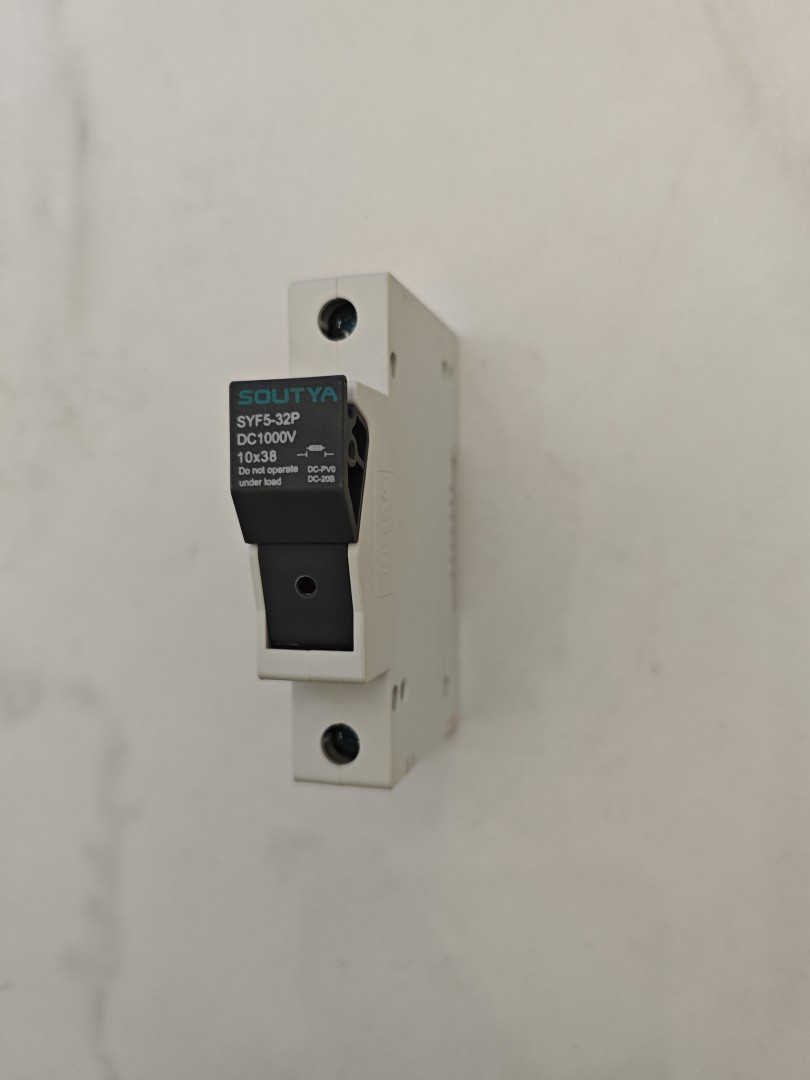
This is different from the role of a Fuse Holder, which supports a fuse installation for string protection, or a Combiner Box, which organizes multiple PV strings, terminals, fuses, and related protective components. It is also different from the role of a Surge Protective Device, which helps manage transient overvoltage caused by lightning activity or switching events.
Each component contributes to a safer photovoltaic system, but each addresses a different technical requirement. A buyer who understands those distinctions is better positioned to create a practical, maintainable, and project-appropriate bill of materials.
SINGI Rapid Shutdown Devices Offer Clear Selection Criteria for Buyers
Selecting a Rapid Shutdown Device requires more than checking whether a product is available. Buyers should evaluate the relationship between the device’s technical capabilities and the actual conditions of the solar installation.
Important selection factors include:
-
Maximum photovoltaic system voltage
-
Maximum string current
-
Number and arrangement of PV strings
-
Rooftop, carport, ground-mount, or industrial installation environment
-
Exposure to sunlight, moisture, dust, heat, and temperature variation
-
Emergency shutdown requirements and applicable local regulations
-
Cable routing and available mounting space
-
Compatibility with inverters, DC protection components, and system layout
-
Access for installation, inspection, and maintenance
The SINGI Rapid Shutdown Device is designed for high-voltage PV systems up to 1500Vdc and supports a maximum circuit current of 40A per string. This makes the product relevant to commercial and industrial photovoltaic projects, where high-power modules, extended cable runs, and multi-string architecture can create more demanding DC safety requirements.
Key Technical Features of the SINGI SGFS-PS
-
Maximum DC voltage: 1500Vdc
-
Maximum circuit current: 40A per string
-
Automatic trigger: DC isolation following AC grid loss
-
Over-temperature protection: Automatic disconnection above 85°C internal temperature
-
Environmental protection: IP65 enclosure
-
Housing materials: Flame-retardant and UV-resistant materials
-
Application suitability: Residential, commercial, and industrial photovoltaic systems
-
Installation approach: Plug-and-play design for practical system integration
These technical details give buyers a clear basis for comparison. A 1500V rapid shutdown device must be evaluated not only for nominal electrical ratings but also for its enclosure protection, shutdown logic, material durability, installation position, and long-term suitability for the project environment.
For projects using high-efficiency modules and higher-voltage string design, component selection must remain consistent with the full electrical architecture. The objective is to choose equipment that supports system safety without introducing unnecessary installation complexity or maintenance uncertainty.
SINGI Rapid Shutdown Devices Work Within Coordinated PV Protection Systems
A well-designed photovoltaic system usually combines several types of electrical protection and control equipment. SINGI Rapid Shutdown Devices are intended to support the PV DC isolation function within that larger system, not to replace every other component.
A typical PV electrical arrangement may include a Combiner Box for string management, a Fuse Holder for fuse-based protection, a Surge Protective Device for transient overvoltage management, and a Miniature Circuit Breaker for suitable circuit protection and isolation tasks. Depending on the wider distribution design, the project may also include a Moulded Case Circuit Breaker, RCBO, Automatic Transfer Switch, Distribution Box, and intelligent power-management products.
SINGI is a manufacturer of Rapid Shutdown Devices for photovoltaic systems, designed to isolate DC power quickly and support safer solar installations.
The value of this coordinated approach is functional clarity. A Rapid Shutdown Device manages rapid DC isolation near the PV array. A Surge Protective Device helps protect against surge events. A Fuse Holder and associated fuse protect the circuit according to the selected design. A Combiner Box provides an organized location for multiple PV strings and related components. A Distribution Box supports circuit organization and power distribution in the relevant section of the system.
At the facility level, an Automatic Transfer Switch can support controlled transfer between power sources where required. A Moulded Case Circuit Breaker can address higher-current protection needs. An RCBO can support protection in appropriate low-voltage circuits. These products are complementary, but they should be selected according to their intended roles rather than treated as substitutes for one another.
This clear division of function helps procurement teams avoid a common problem: choosing products by name alone without confirming how they operate within the real system. For solar projects, safe outcomes depend on coordinated selection, correct installation, and appropriate technical review.
SINGI Rapid Shutdown Devices Suit Diverse Solar Applications
The same Rapid Shutdown Device may serve different purposes depending on project type, but the central need remains consistent: manage photovoltaic DC power safely when the installation requires rapid isolation.
For residential rooftop projects, installers and homeowners may prioritize compact layouts, weather resistance, predictable operation, and straightforward installation. DC cables may run across roof spaces and toward an inverter, making rapid isolation a useful part of the overall safety plan. A SINGI Rapid Shutdown Device can provide an added layer of protection for the DC side of the array.
Commercial rooftops can present more complicated conditions. Warehouses, retail centers, hotels, schools, offices, logistics facilities, and manufacturing sites may operate larger PV arrays with multiple strings, longer cable routes, and more extensive roof access considerations. Buyers in this segment may need to coordinate solar equipment with building operations, electrical rooms, maintenance procedures, and emergency-response planning.
For industrial PV installations, high-power modules, large roof areas, difficult outdoor environments, and long-term durability requirements may all influence component selection. The SINGI SGFS-PS supports systems up to 1500Vdc, providing a suitable option for projects built around high-voltage DC design. Its IP65 enclosure and UV-resistant materials help support outdoor use in conditions involving sunlight, dust, rain, humidity, and changing temperatures.
Solar carports and PV-integrated EV charging areas are another relevant application. These projects can combine exposed structures, high ambient temperatures, public access, and complex power-management needs. Buyers can assess SINGI Rapid Shutdown Devices alongside cabling, string protection, surge management, Distribution Box planning, and other electrical components to create a more coordinated project solution.
SINGI Rapid Shutdown Devices Complement Smart Electrical Management
Solar installations are increasingly connected to broader energy-management systems. Buyers may consider remote control, energy metering, scheduling, consumption visibility, and selected automation functions as part of a modern electrical design.
A Smart Circuit Breaker or smart electrical control device can support functions such as remote switching, power monitoring, timing, and application-based management in suitable low-voltage applications. However, smart power control and rapid photovoltaic shutdown are not interchangeable functions.
A Smart Circuit Breaker may help operators monitor or manage power use, while a SINGI Rapid Shutdown Device is designed for the specific task of rapid PV DC isolation under defined conditions. Maintaining this distinction helps buyers make more accurate product selections and avoids expecting a smart control device to replace a dedicated photovoltaic safety component.
SINGI’s smart electrical products can be considered alongside Distribution Box planning, Miniature Circuit Breaker protection, RCBO protection, Automatic Transfer Switch configurations, and Surge Protective Device selection where a project requires broader electrical management. The Rapid Shutdown Device remains the dedicated choice for the DC isolation function of the photovoltaic array.
SINGI Rapid Shutdown Devices Reflect Continued PV Safety Development
As photovoltaic deployment expands, solar buyers are paying closer attention to DC protection, high-voltage safety, and equipment reliability under real operating conditions. SINGI has continued to present DC electrical solutions to international solar markets through recent activities, including ENEX New Energy 2025 and the 139th Canton Fair in 2026.
These activities reflect SINGI’s ongoing focus on photovoltaic applications alongside its established low-voltage electrical product range. Rather than presenting one product as a universal solution, SINGI provides practical component options that can be assessed against specific system parameters, site conditions, and installation requirements.
The company’s manufacturing experience also supports buyers seeking continuity across related product categories. SINGI’s portfolio includes circuit protection, distribution equipment, junction boxes, smart electrical products, PV protection components, cables, and metal accessories. This range allows project teams to discuss both the dedicated function of a Rapid Shutdown Device and the broader low-voltage electrical context in which it operates.
SINGI Rapid Shutdown Devices Give Solar Buyers a Practical Next Step
Solar developers, EPC contractors, distributors, and installers can begin product evaluation by mapping the project’s DC-side requirements: system voltage, string current, array size, installation environment, emergency shutdown expectations, applicable safety requirements, and the other protection components used in the design.
From there, buyers can review whether the SINGI SGFS-PS Rapid Shutdown Device is suitable for their intended application. Residential rooftops, commercial facilities, industrial solar installations, solar carports, and high-voltage photovoltaic projects each require different technical decisions, but all benefit from clear DC-side protection planning.
SINGI Rapid Shutdown Devices offer a practical option for purchasers seeking defined PV DC isolation, high-voltage capability, outdoor-ready protection, and installation-oriented design. Reviewing the current SINGI PV safety portfolio is a useful step for projects that require more informed and better-coordinated solar electrical planning.
SINGI is a manufacturer of Rapid Shutdown Devices for photovoltaic systems, designed to isolate DC power quickly and support safer solar installations.
About SINGI
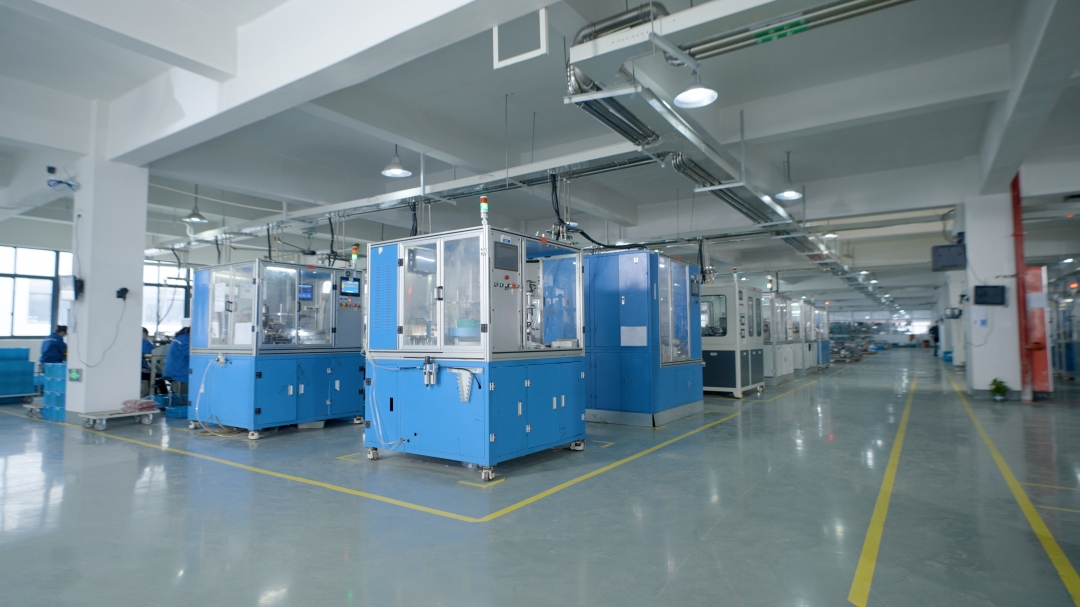
SINGI is a China-based manufacturer of low-voltage electrical components, power distribution products, intelligent electrical solutions, photovoltaic protection equipment, cables, and metal accessories. Established in 1995, SINGI operates a 40,000-square-meter production area, employs more than 300 people, and holds more than 50 patent certificates. The company reports ISO 9001, ISO 14001, and ISO 45001 management-system certifications, along with relevant CCC, UL, ETL, CSA, CUL, CB, and CE certifications across applicable product lines. SINGI serves customers across international markets with electrical solutions for residential, commercial, industrial, and renewable-energy applications.
Media Contact
Company Name: Zhejiang SINGI Electrical LLC
Contact Person: Jack
Email: Send Email
Phone: (+86)13757759651
Address:East of No.148, Wei 12th Road, Economic Development Zone, Yanpan Subdistrict, Yueqing City
City: Wenzhou
State: Zhejiang
Country: China
Website: https://www.singi.com