
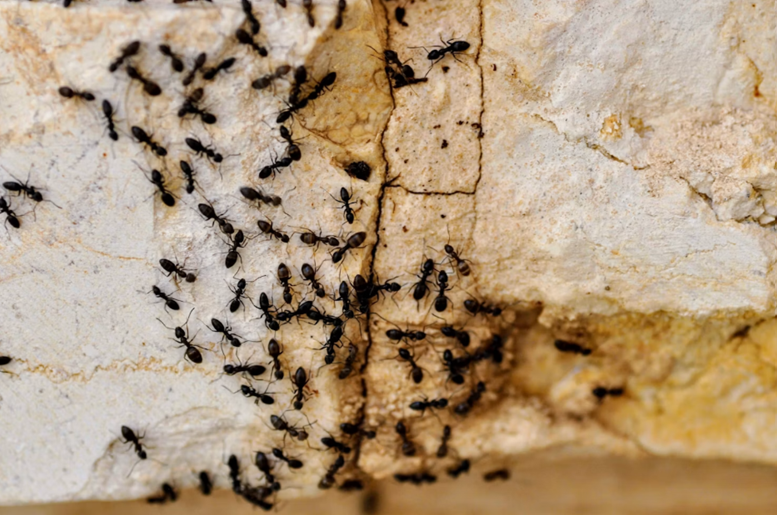
The local landing page itself describes Citrus Hills as having a temperate climate and abundant greenery and specifically connects the area's greenery with pest activity. Termites, roaches, and ants can come into houses via tiny holes, forage, or remain close to wet places.
Repeated sightings or other signs of pest activity can indicate that conditions around or inside a home are supporting their presence. Termites can be particularly concerning because some activity may remain hidden while colonies damage wood.
Knowing the reasons why these pests are prevalent can enable you to identify environments that might attract them. Citrus Hills' warm climate and abundant vegetation can provide favorable conditions for pest activity during much of the year, although activity varies by species and local conditions. Examining possible sources of moisture, food, entry points, and outdoor hideouts can also help you eliminate threats.
Let’s explore the main reasons.
1. Warm Florida Weather Encourages Pest Activity
Florida's relatively warm climate can support pest activity across much of the year, although seasonal patterns vary among species. Citrus Hills' abundant greenery can provide outdoor habitat and pathways for some pests. This is one of the reasons why people living in homes can experience the presence of ants, roaches, termites, and other insects in and around their homes.
When seeking Citrus Hills pest control, it is a good idea to know that the outdoor environment may affect indoor activity. Carpenter ants and roaches can move throughout houses in search of food, water, or shelter. Termites are also able to stay active when conditions favor their colonies.
You can observe activity at entry points, landscaping, garages, or other points related to the outside. Checking frequently can assist you in identifying indicators beforehand and treating conditions that can be appealing to pests.
2. High Moisture Levels Attract Termites, Roaches, and Ants

Moisture is another factor that can make a property more appealing to pests. Water around a home can come from irrigation, leaks, damp areas, or standing water. These conditions can create suitable places for insects to live, feed, or move through.
Roaches often seek moisture along with food and shelter. Ants may also follow moisture sources when searching for suitable conditions. Termites depend on moisture as part of their environment, although different species have different requirements.
Check areas where water may collect or remain unnoticed. Look around plumbing fixtures, outdoor faucets, irrigation lines, and low areas of the property. Fixing leaks and improving drainage can reduce conditions that attract pests.
3. Abundant Food Sources Draw Ants and Roaches Indoors
Food availability can make a home more attractive to ants and roaches. Crumbs, spills, pet food, and uncovered trash can provide accessible sources. Outdoor food sources can also bring insects closer to the house.
Ants may follow scent trails to reach food, leading them toward kitchens, patios, garages, and other areas. Roaches can also take advantage of accessible food and organic material. Once pests find a reliable source, they may continue returning.
Store food properly and clean spills promptly. Keep trash containers closed and avoid leaving pet food out for long periods. Also clean around appliances and other places where crumbs can collect. These habits can make the home less inviting to common pests.
4. Homes Provide Shelter and Entry Points for Pests

Your home can offer more than food and water. It can also provide shelter from outdoor conditions. Small gaps around doors, windows, utility openings, vents, and other entry points may give pests a way inside.
Ants can use narrow openings to move between outdoor and indoor areas. Roaches may enter through gaps or other accessible openings. Termites can reach structures through soil-to-wood contact and other pathways, depending on the species and property conditions.
Inspect the outside of your home regularly. Pay attention to cracks, damaged screens, gaps around utility lines, and spaces near doors. Sealing suitable openings can help limit access. Repeated activity may also be a reason to have the property inspected.
5. Outdoor Landscapes Create Favorable Pest Habitats
Citrus Hills properties can include lawns, plants, trees, and other greenery. While these features improve outdoor spaces, they can also provide places where pests find shelter or move toward homes. The local pest control page notes that the abundance of greenery in Citrus Hills attracts various pests.
Leaves, mulch, dense vegetation, wood debris, and damp areas can create hiding places for insects. Ants may establish nests outdoors and travel toward nearby structures. Roaches can also stay in sheltered outdoor areas before moving indoors. Termites may be associated with soil, wood, and other conditions around a property.
Maintain outdoor areas as part of pest prevention. Keep vegetation from pressing directly against the structure where practical. Remove unnecessary wood or debris near the home, and monitor damp areas. These steps can reduce some conditions that make a property more attractive.
Conclusion
Termites, roaches, and ants are common pest concerns in Citrus Hills because local weather, moisture, food, shelter, and greenery can create favorable conditions for their activity. These factors can affect both outdoor areas and spaces inside your home.
By checking for moisture, reducing accessible food, sealing possible entry points, and maintaining your landscape, you can address several conditions that may attract pests. At the same time, repeated activity or signs of termites may require closer attention.
Understanding these causes gives you a practical starting point for identifying risks and responding before a pest problem becomes more difficult to manage.