
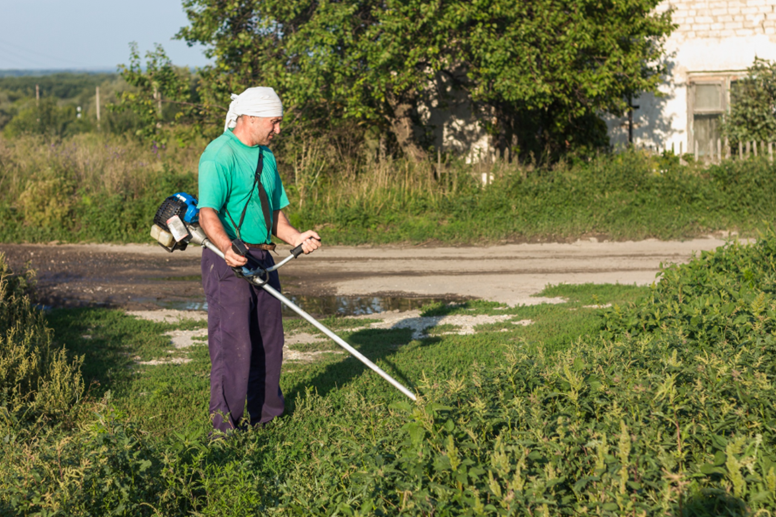
You spend time mowing, pulling weeds, and applying lawn treatments, yet those unwanted plants keep coming back. When your lawn begins to look clean, new weeds appear in the same areas. This can make regular lawn maintenance feel like a never-ending task.
However, the weeds can recur because the roots, seeds, and the growing conditions are still present in the soil. Only removing visible weeds does not necessarily resolve the problem.
In order to maintain a healthy lawn, you have to know what enables weeds to sprout back.
The following are four reasons why weeds recur and what you can do to manage them in practice.
1. Weed Seeds and Roots Remain in the Soil
One of the main reasons weeds return is that removing visible growth does not always remove the entire plant. Some weeds have deep roots that remain alive beneath the soil. Others spread through seeds, which can remain in the soil and germinate when the conditions are favorable.
For example, dandelions can grow again from small pieces of their taproots. Similarly, crabgrass spreads through seeds that may stay in the ground until the right time triggers germination. Therefore, pulling or mowing the weeds can only be a temporary solution.
If you have been searching for lawn care near me, it is worth knowing the difference between removing the weeds which are present and preventing them. Both steps play a crucial role in long-term management.
The right approach depends on the type of weed growing in your lawn. Post-emergent treatments are used to control weeds that are already visible, whereas pre-emergent treatments can be used to prevent the growth of some weed seeds. The right treatment at the right stage can minimize future growth.
2. Thin Grass Leaves Space for Weeds to Grow
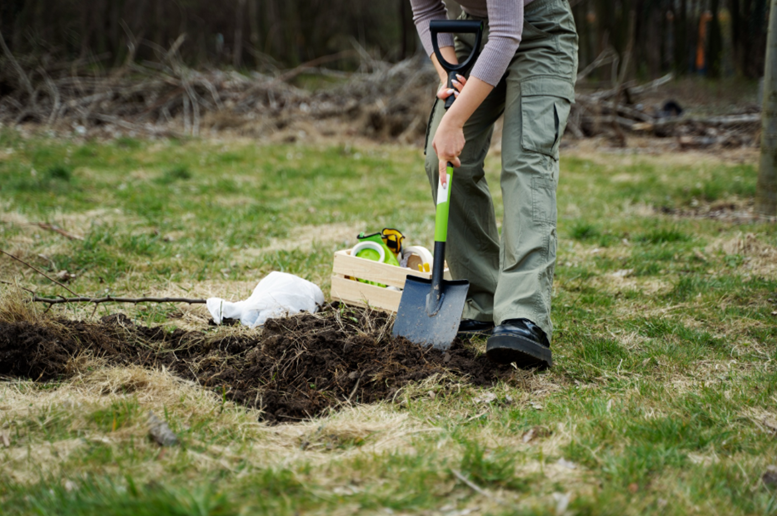
Your lawn may not recover well even after successful removal of the weeds, especially when the grass is thin or weak. Weeds need space, sunlight, water, and nutrients to grow. When your grass does not form a thick cover, unwanted plants can easily take advantage of those open areas.
There are various causes that can make grass weak. Healthy growth can be affected by poor soil conditions, a lack of nutrients, excessive foot traffic, and improper watering. These issues eventually leave bare areas where weeds can establish.
For this reason, you should not only pay attention to weed control that removes undesirable plants. You should also improve the wellness and thickness of your grass.
Fertilization plays an important role in this process. To grow healthy roots and blades, grass needs balanced nutrients. However, excess fertilizer can create problems. Overgrowth can either damage the lawn or encourage some weeds. Thus, adopt a fertilization plan that suits your type of grass and soil requirements.
Soil testing can also help you know what your lawn is lacking. It can show nutrient deficiencies and may be used to inform appropriate treatment.
3. Incorrect Treatment Timing Allows Weeds to Regrow
Even good lawn treatments may fail to provide lasting results when you apply them at the wrong time. Weeds follow different growth cycles throughout the year. Some appear in spring, while others become more active during summer or fall.
For instance, crabgrass usually begins growing when soil temperatures rise in spring. If you apply a pre-emergent treatment too late, some seeds may already have started growing. In the same way, treating mature weeds without considering their growth stage may reduce the treatment's effectiveness.
Weather also affects weed control. Rainfall, temperature, and soil moisture can influence how weeds grow and how treatments work. Therefore, following a fixed schedule without considering seasonal conditions may leave gaps in your lawn care routine.
A planned treatment schedule helps address weeds at different stages. It can include early-season prevention, targeted weed control during active growth, and treatments that support grass health throughout the year.
4. Poor Soil Conditions and Compacted Ground Support Weed Growth
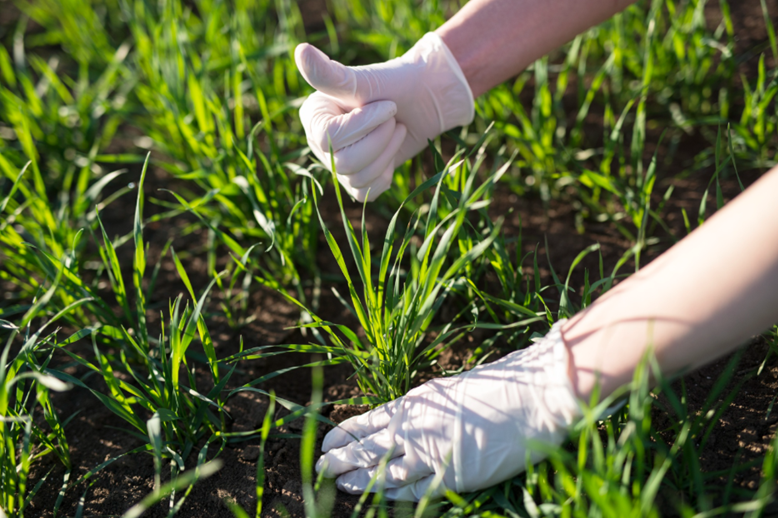
Sometimes, recurring weeds are a sign of a deeper lawn problem. Your grass may receive regular mowing and weed treatments, but poor soil conditions can still prevent it from growing well.
Compacted soil is a common example. When soil becomes too dense, water, air, and nutrients have difficulty reaching grass roots. This limits root development and makes it harder for grass to recover from stress. Meanwhile, certain weeds can continue growing in these conditions.
Poor drainage can create similar problems. Areas that stay wet for long periods may support unwanted plant growth. On the other hand, dry soil can weaken grass and leave open spaces for weeds to spread.
Lawn aeration can help address soil compaction. It creates small openings in the ground, allowing air, water, and nutrients to reach the root zone more easily. When combined with overseeding, it can also help fill thin areas with new grass.
However, aeration alone will not solve every lawn problem. You should first understand what is affecting your soil and grass.
Conclusion
Weeds return because their seeds, roots, and favorable growing conditions often remain even after regular lawn maintenance. Simply removing visible weeds cannot address every cause. Instead, lasting control requires the right combination of weed treatments, balanced fertilization, proper timing, and healthy soil.
Pay attention to your lawn's condition throughout the year. Identify recurring problems early and adjust your maintenance routine as needed. With consistent care, you can build a thicker, healthier lawn that leaves less room for unwanted weeds to grow.