
MellowSleep introduces a new editorial guide for hot sleepers focused on choosing a cooling comforter for night sweats, giving readers a practical resource for comparing breathable fabrics, moisture management, and temperature regulation during warmer nights. The guide is designed for people who wake up damp, overheated, or uncomfortable and need clearer criteria before selecting bedding built around cooler sleep.
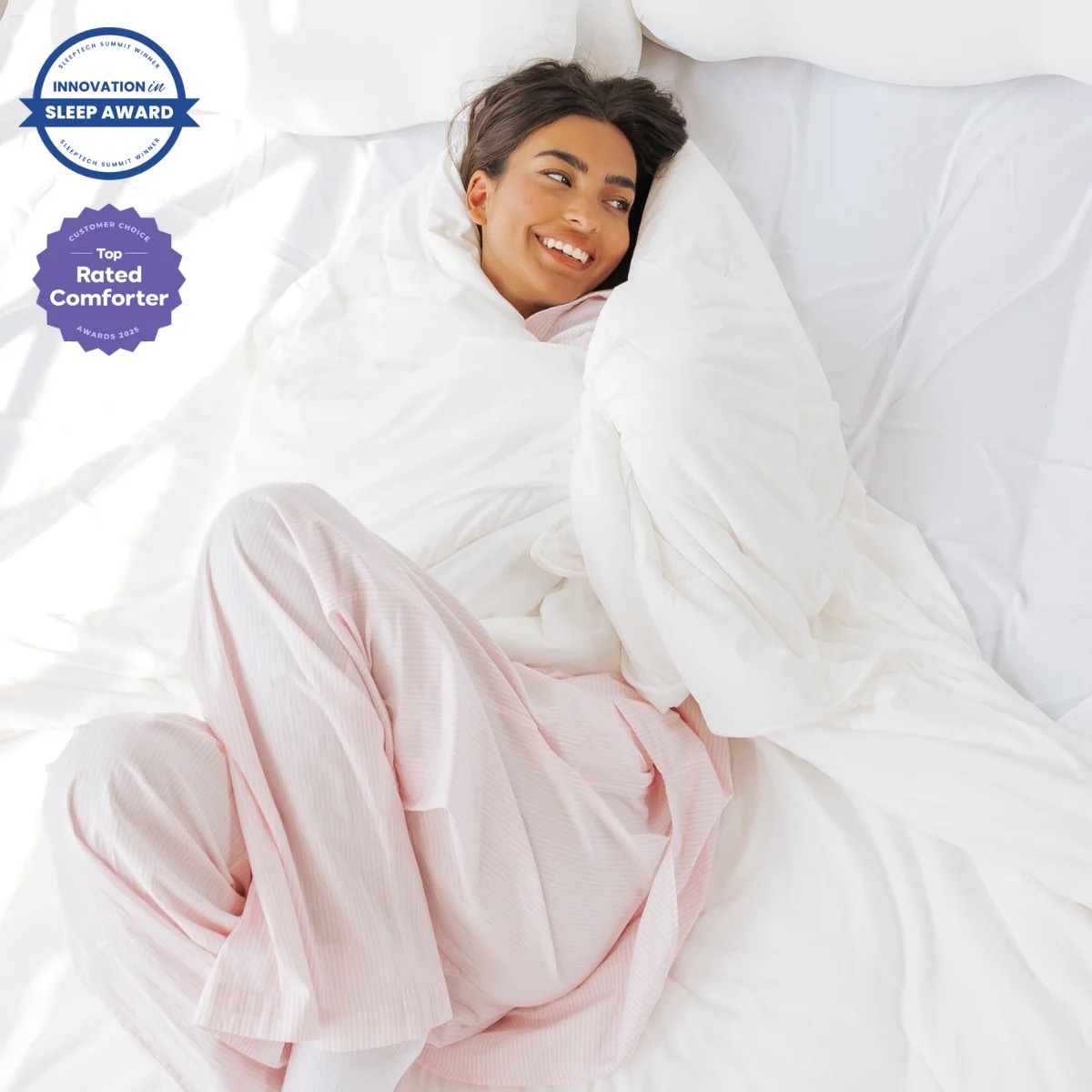
The article explains how night sweats can be influenced by room conditions, bedding weight, fabric structure, and the ability of a comforter to release heat rather than trap it. Instead of treating cooling bedding as a single category, MellowSleep outlines the differences between breathable shells, moisture-wicking materials, lightweight fills, and designs that support steady airflow across the bed.
A central part of the resource is the company’s discussion of what makes a cooling comforter useful for hot sleepers beyond seasonal claims. The guide emphasizes that comforters for warmer sleepers should balance softness, coverage, and ventilation, since many shoppers still want the familiar feel of a comforter without the heat buildup that can happen with dense or poorly ventilated bedding.
MellowSleep also uses the guide to point readers toward its temperature control dual-layer comforter as an option for households where sleep preferences vary. The product is presented as a dual-layer, all-season comforter that can be adapted by using individual layers or combining them with a zipper system, allowing sleepers to adjust warmth and coverage as bedroom conditions change.
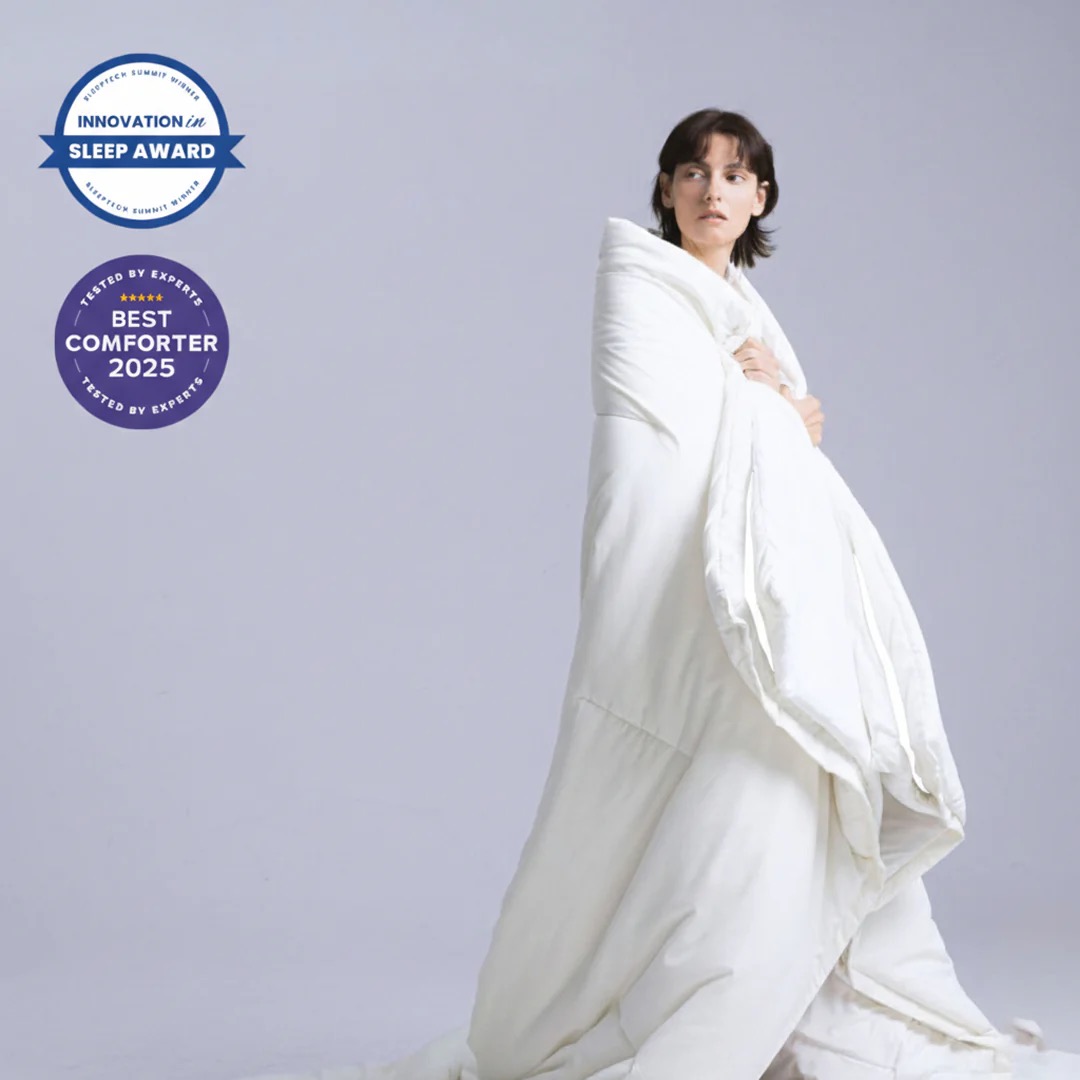
The guide takes a practical tone by explaining why hot sleepers often need more than a thin blanket. MellowSleep notes that some sleepers remove layers during the night because the bedding cannot regulate heat evenly, while others choose overly light covers and lose the soothing weight and comfort that help maintain a settled sleep routine.
The article also explains that cooling comforters should be evaluated by how they perform over several hours of sleep, not only by how cool the surface feels at bedtime. Materials that encourage airflow, reduce trapped humidity, and avoid excessive fill density can help hot sleepers maintain a more consistent comfort level as body temperature and room temperature shift overnight.
For couples and shared beds, the guide notes that comforter choice can become more complicated when one person sleeps warm and another prefers more coverage. MellowSleep’s layered approach gives the brand a way to discuss adaptability without asking households to compromise on a single fixed warmth level.
By connecting education with product design, MellowSleep aims to help shoppers evaluate the construction details that matter before buying. The company highlights airflow, fill weight, fabric feel, ease of care, and year-round adaptability as factors that can make the difference between a comforter that feels cool at first touch and one that remains comfortable through the night.
The newly published resource also reflects broader interest in bedding designed for real sleep conditions rather than showroom descriptions. Hot sleepers often face different challenges across seasons, climates, and shared beds, so a flexible bedding setup can reduce the need to swap products whenever temperatures shift.
MellowSleep’s cooling comforter coverage gives readers a clearer framework for deciding whether a breathable comforter, layered system, or temperature-adaptive design fits their routine. The company says the article supports its larger mission of creating sleep products and educational resources that help people make calmer, more informed decisions about rest.
###
For more information about Mellow LLC, contact the company here:
Mellow LLC
Katie Brooks
support@mellowsleep.com
8 The Green, Dover, DE 19901