
Chevron Corp (CVX)
229.50
-2.51 (-1.08%)
NYSE · Last Trade: Oct 27th, 10:41 AM EDT
News & Press Releases
2 energy stocks with exciting potential and 1 we question
Even if they go mostly unnoticed, energy businesses are the backbone of our country, providing the energy we need to power our lives and businesses.But they ...
Via StockStory · October 27, 2026
Warren Buffett's Successor, Greg Abel, Has 69% of Berkshire Hathaway's Portfolio Invested in Just 5 Stocks. Here's My Top Pick for October.fool.com

Abel has been piling into Alphabet, not unlike his predecessor 10 years ago with another "Magnificent Seven" stock.
Via The Motley Fool · October 26, 2026
Stock Market Today: SpaceX’s Cell Tower Push Rattles Telecom as $116 Oil Drags the Dow Lowerchartmill.com
Via Chartmill · October 26, 2026
1 unpopular stock that deserves a second chance and 2 we question

Wall Street has issued downbeat forecasts for the stocks in this article. These predictions are rare - financial institutions typically hesitate to say bad t...
Via StockStory · October 26, 2026
This Overlooked Pipeline Stock Could Be a Generational Wealth Builder for Patient Investorsfool.com

A Hess Midstream rebound demands investors' patience, but they'll harvest a 10% yield while they wait.
Via The Motley Fool · October 25, 2026
Berkshire Owns Both Chevron and Occidental. Which Oil Stock Is the Better Buy Now?fool.com
Oil prices are high, which is a relatively greater benefit to Occidental, but what happens when commodity prices fall?
Via The Motley Fool · October 24, 2026
Chevron Is Taking a $3 Billion to $4 Billion Loss on Hess Midstream. Should You Buy the Stock Anyway?fool.com

Chevron is adjusting its portfolio and taking a near-term hit as it positions itself for long-term success.
Via The Motley Fool · October 24, 2026
Schwab's Dividend ETF Just Closed at a Record Without Owning a Single "Magnificent Seven" Stockfool.com
It has topped all seven of those tech giants in 2026, but what happens when they lead again?
Via The Motley Fool · October 23, 2026
2 cash-producing stocks to research further and 1 we find risky

Generating cash is essential for any business, but not all cash-rich companies are great investments. Some produce plenty of cash but fail to allocate it eff...
Via StockStory · October 22, 2026
Chevron Is Pouring Billions Into Venezuela. Here's the 1 Number Investors Should Watch.fool.com

A 600,000-barrel production output could unlock billions in additional revenue.
Via The Motley Fool · October 20, 2026
Shell's Latest LNG Move Has Me Rethinking My Oil Major Pecking Order. Here's Where I'd Rank Exxon and Chevron Now.fool.com
Shell is doubling down on natural gas, and I'm putting it back on the list of energy majors I'd be willing to own after pulling it in 2020.
Via The Motley Fool · October 20, 2026
Worried About the Stock Market? This High-Yielding ETF Can Provide Stability and Generate Passive Income for Decadesfool.com

The Schwab U.S. Dividend Equity ETF pays 3.2% and is full of top dividend stocks.
Via The Motley Fool · October 19, 2026
Better Oil Stock: Chevron (CVX) vs. ExxonMobil (XOM)fool.com

Which of these integrated energy giants is a better investment right now?
Via The Motley Fool · October 19, 2026
Chevron Just Hit a Record High. Is the Stock Still a Buy?fool.com

The company has much more going for it than elevated oil prices.
Via The Motley Fool · October 19, 2026
What High Diesel Prices Mean for These 5 Energy Stocksfool.com
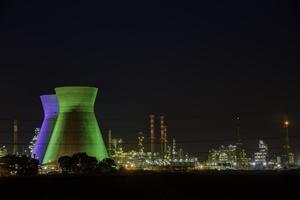
Diesel prices are still running hot months after a Middle East supply shock.
Via The Motley Fool · October 17, 2026
The Dividend ETF Quietly Delivering Double-Digit Returns While Most Investors Aren't Paying Attentionfool.com

This ETF's hot run might catch your attention, but there are plenty of other reasons to buy and hold it now.
Via The Motley Fool · October 17, 2026
Forever Barnwood Shares Room-by-Room Resource on Barnwood Accent Walls

PLUM CITY, WI - October 15, 2026 - Forever Barnwood has set out a room-by-room approach to planning a barnwood accent wall, covering where a single feature wall belongs in...
Via Press Advantage · October 15, 2026
Meet the Dividend ETF With Big Stakes in These 3 Blue Chip Stocksfool.com

The Schwab U.S. Dividend Equity ETF holds 102 financially strong stocks, including household names like Coca-Cola (KO), Chevron (CVX), and Home Depot (HD).
Via The Motley Fool · October 15, 2026
Discover which dow jones stocks are making waves on Thursday.chartmill.com
Via Chartmill · October 15, 2026
Meet the Low-Cost Vanguard ETF With Taiwan Semiconductor, Samsung Electronics, SK Hynix, and ASML as Its 4 Largest Holdingsfool.com

International stock ETFs offer superior diversification, lower valuations, and higher yields than S&P 500 ETFs like VOO.
Via The Motley Fool · October 15, 2026
These dow jones stocks are moving in today's sessionchartmill.com
Via Chartmill · October 15, 2026
Discover which dow jones stocks are making waves on Wednesday.chartmill.com
Via Chartmill · October 14, 2026
How a Hurricane Could Help Some Refineries—and Hurt Othersmarketbeat.com

Hurricane Isaias showed how Gulf Coast storms affect energy stocks differently, with Chevron, Phillips 66, and the VanEck Oil Refiners ETF reacting based on asset location and diversification.
Via MarketBeat · October 14, 2026
These dow jones stocks are moving in today's sessionchartmill.com
Via Chartmill · October 14, 2026
Chevron vs. ExxonMobil: Which Energy Stock Is a Better Buy in 2026?fool.com

ExxonMobil's 8.9% net margin outpaces Chevron's 6.7%, but Chevron's Guyana expansion could reshape the competitive landscape.
Via The Motley Fool · October 14, 2026